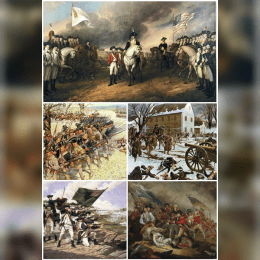
War for American independence from British rule, fought from 1775 to 1783
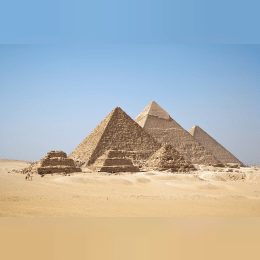
The period of civilization in ancient Egypt
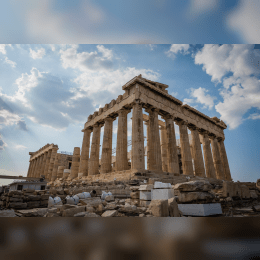
The civilization of ancient Greece, known for its contributions to philosophy, democracy, and the arts
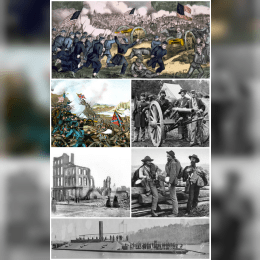
Civil war in the United States from 1861 to 1865, resulting in the abolition of slavery and national reunification
The civilization of ancient Rome, known for its vast empire and contributions to law and engineering
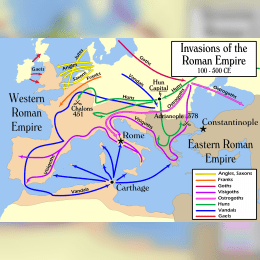
A period of large-scale migrations and invasions in Europe (4th to 6th centuries)
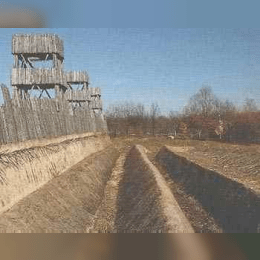
Siege in 52 BC where Julius Caesar's Roman forces defeated the Gallic leader Vercingetorix, marking the Roman conquest of Gaul
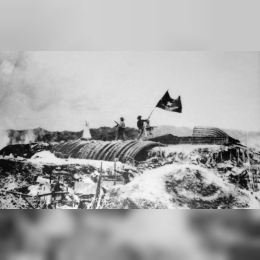
Critical battle in 1954 during the First Indochina War, leading to French withdrawal from Vietnam and the country's division
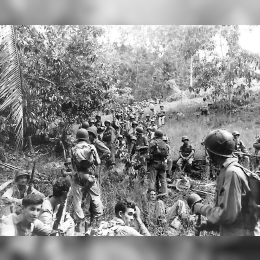
Campaign in 1942-1943 during World War II, where US forces secured Guadalcanal, a pivotal step in the Pacific Theater
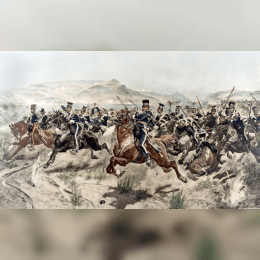
Battle in 1854 during the Crimean War, famous for the "Charge of the Light Brigade" and British-Russian clashes
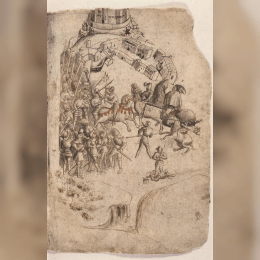
Key battle in 1314 during the First War of Scottish Independence, where Robert the Bruce defeated Edward II's English forces
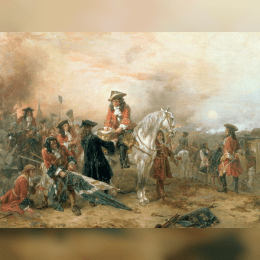
Battle in 1704 during the War of the Spanish Succession, where the Grand Alliance defeated French and Bavarian forces
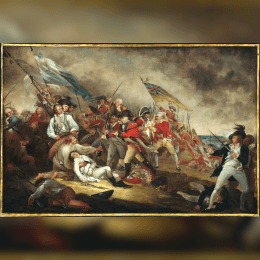
Iconic battle in the American Revolutionary War in 1775, despite British victory, boosted American morale
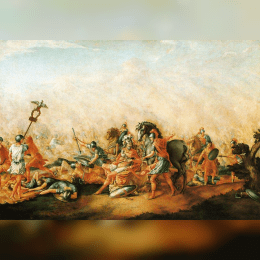
Battle in 216 BC during the Second Punic War, known for Hannibal's encirclement tactics and a major Carthaginian victory
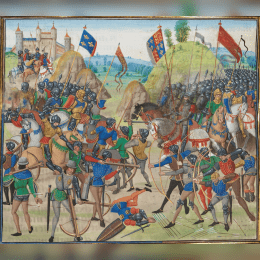
Battle in 1346 during the Hundred Years' War, notable for English longbowmen's effectiveness against French knights
Logging out…